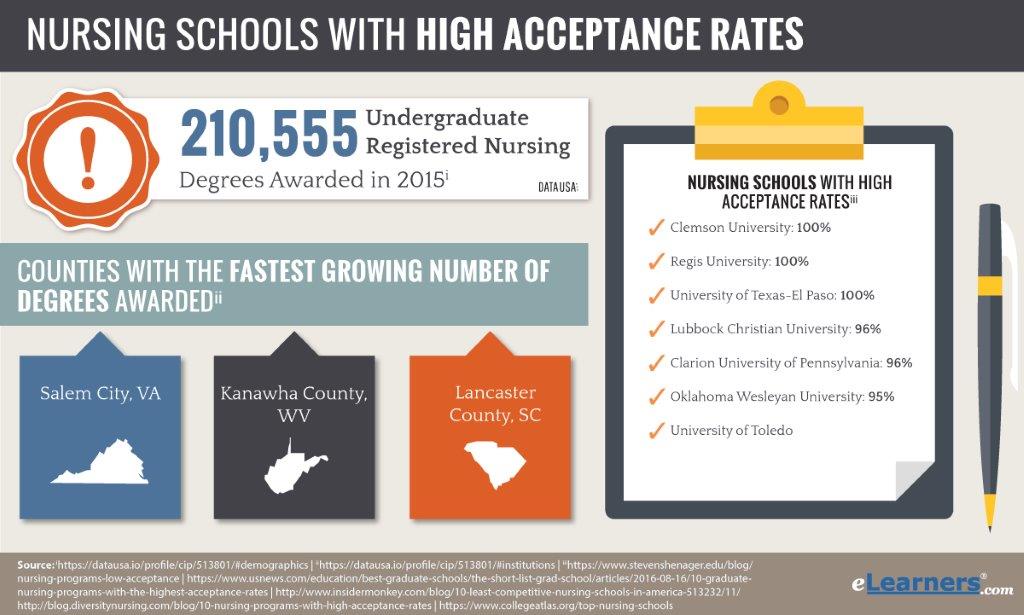
Clarion University's College of Health Sciences and Human Services offers the full gamut of nursing programs at all degree levels. The university's two-year ADN program efficiently prepares technical nurses to provide client-centered care. ADN graduates have achieved a solid 82% pass rate on the NCLEX licensure exam over the past decade, including an impressive 100% pass rate for the class of 2016.
At the baccalaureate level, Clarion offers both a traditional undergraduate program and a three-semester RN-to-BSN pathway. Graduate students may pursue an MSN degree with a family nurse practitioner focus or an online MSN-to-DNP program that covers leadership, policy, population health, and clinical practice. The Department of Nursing at West Chester University offers traditional BSN, second-degree BSN, and RN-to-BSN options at the undergraduate level.
The school's prelicensure students have consistently performed well on the NCLEX exam, passing on the first try at an 89% rate since 2009. West Chester's graduate nursing programs include a school nurse certification, an MSN program with nursing education and adult-gerontology tracks, and a DNP program for MSN degree-holders. Students benefit from a variety of clinical experiences including acute care, community health, daycare centers, retirement centers, and veterans' hospitals. Mansfield University's undergraduate nursing program utilizes the latest technology to prepare students for patient care. The program features human patient simulators – life-sized mannequins that cough, breath, have a pulse, and can even talk.

The BSN curriculum includes two years of general education and two years of clinical experiences at the Robert Packer Hospital and other acute care medical facilities. Students also have the opportunity to learn in community settings such as nursing homes, elementary and secondary schools, nursery schools, and outpatient clinics. Over the past five years, Mansfield's BSN graduates have scored an excellent 94% first-time pass rate on the NCLEX-RN licensure exam. La Salle University's School of Nursing and Health Sciences prepares its students to provide care to underserved, diverse populations. Indeed, this is a core way the university delivers on its mission of service rooted in solidarity and justice.

Nursing degree programs run the gamut from traditional and bridge BSN pathways to graduate-level MSN and DNP offerings. The school also offers a full complement of certificates including adult-gerontology , family nurse practitioner, nurse anesthetist, nursing administration, nursing education, public health nursing, and school nursing. Students hone their skills in state-of-the-art simulation labs and clinical spaces with the assistance of experienced faculty. BSN students have scored an exceptional 95% first-time NCLEX pass rate over the past three years. Opened in 1886, the University of Pennsylvania School of Nursing, also known as Penn Nursing, is an undergraduate and graduate institution. Penn is the only Ivy League institution to offer students a nursing program.

Students can choose dual degrees from the School of Nursing and other schools in the University of Pennsylvania. Nursing students have the option to apply to various study abroad programs including Australia, England, Botswana, Hong Kong, Spain, and Thailand. Roxborough Memorial Hospital School of Nursing began in 1898, with an initial class of just five female students. Over the past 120 years, the school has graduated more than two thousand men and women. Many graduates hold distinguished positions in nursing leadership and education.

Roxborough's hospital-based RN diploma program is led by experienced faculty, offering hands-on experience and a low student-to-faculty ratio in clinical settings. The program typically graduates between fifty and seventy students per year. Over the past decade, these graduates have averaged a 92% first-time pass rate on the NCLEX licensure exam, including a stellar 98.4% pass rate for the most recent graduating cohort.
West Penn Hospital School of Nursing is an institution of many firsts. It was the first nursing school in the nation to admit male students, and one of the first to receive accreditation from the National League for Nursing. More recently, West Penn Hospital was the first hospital in western Pennsylvania to receive Magnet designation from the American Nurses Credentialing Center, a recognition achieved by only 6% of healthcare facilities nationwide. The School of Nursing has graduated nearly 6,000 students over its storied history.
The school's RN diploma program consists of 435 theory hours and 945 clinical hours. Clinical experiences take place in a variety of settings including emergency departments, a long-term mental health facility, and several community treatment centers. Over the past decade, these graduates have averaged an 86% first-time pass rate on the NCLEX licensure examination. Another school with a nursing program on the smaller side, Marquette University has just 608 students enrolled in each of its bachelor's and master's degree programs.

The school also offers master's in nursing programs for those who hold a bachelor's degree in a different field, which can be completed in months to allow for an easy career change. The School of Nursing at Duquesne University is recognized for creating Pennsylvania's first BSN program in 1937 and the nation's first online nursing PhD program in 1997. Duquesne has been designated an NLN Center of Excellence four consecutive times since 2008. In addition to its flagship BSN program, the university offers undergraduates an innovative five-year dual degree program in biomedical engineering and nursing. Duquesne's BSN graduates have maintained a 90% first-time NCLEX pass rate over the past decade, including a 94.4% pass rate for the most recent graduating cohort. The School of Nursing also provides graduate programs at the master's, post-master's certificate, and doctoral levels, including both DNP and PhD options.

One of the larger nursing programs on this list, Ohio State University had 1,200 undergraduate students, 900 graduate students, and 200 doctoral and Doctor of Nursing Practice students in 2020. The university is home to some of the highest-ranked master's degree programs in the nation, including its Pediatric Nurse Practitioner program, Family Nurse Practitioner program, and Psychiatric Mental Health Nurse Practitioner program. Like the undergraduate courses, these on-campus programs are renowned for their academic rigor, emphasis on evidence-based practice, and innovation in incorporating telehealth into wellness care. The university's online programs, which include several master's degree programs as well as an RN to BSN program, are held to the same standard, ranking in the top six and four in the country, respectively. Heritage Valley Kennedy School of Nursing began offering a three-year nursing diploma in 1901.

Today the school's RN diploma program takes as little as 20 months of fulltime study to complete. The program offers a strong clinical component through the school's affiliation with Heritage Valley Health System. Class sizes are small with individualized instruction; indeed, each cohort is typically just students.

Graduates have achieved a strong 87% first-time pass rate on the NCLEX licensure exam over the past decade. The classes of 2018 and 2019 each scored a perfect 100% NCLEX pass rate. United Career Institute has served students and employers in southwestern Pennsylvania for more than thirty years. The school offers a direct-admittance LPN program that may be completed in just twelve months at campuses in Mount Braddock and Irwin. Since the program's inception, approximately 200 LPN graduates have taken the NCLEX exam with a stellar 96% first-time pass rate. In fact, the past six cohorts each scored a perfect 100% NCLEX pass rate.

United Career Institute offers a dozen partial scholarships, covering up to 15% of tuition for qualified applicants. Alumni are also eligible to receive brush-up training to upgrade their skills at no cost. The Chester County Intermediate Unit provides adult education across a broad range of vocational fields including animal science, barbering, carpentry, electronics, and HVAC/refrigeration.

The school's practical nursing program prepares students to be frontline caregivers in nursing homes, skilled care facilities, rehabilitation centers, and community settings. The curriculum encompasses 1,635 total hours of study across four levels of instruction. Students can leverage affiliation agreements with a number of local clinical sites including Penn Medicine's Chester County Hospital, Tower Health's Brandywine Hospital, and Coatesville Veterans Affairs Medical Center. CCIU's practical nursing program typically graduates between forty and sixty students annually. The school has a remarkable track record of student success on the NCLEX-PN licensure examination, including a 96% first-time pass rate over the past decade.

The college has designed an innovative 2+2 program that combines the ADN and BSN curriculums. Students earn the ADN degree within the first two years of study, enabling them to pass the NCLEX-RN licensure examination and obtain immediate employment as a registered nurse. Indeed, MAC students have earned a strong 89% first-time NCLEX pass rate over the past decade. Progress to the BSN portion of the 2+2 program is then sequenced according to individual career needs and scheduling preferences. Mount Aloysius also conducts several traditional BSN programs including an eight-semester prelicensure pathway, a 16-month accelerated second degree, and an online RN-to-BSN curriculum conducted year-round in eight-week sessions. The college's multimillion-dollar Nursing Simulation Center features four fully functional hospital units and 19 state-of-the-art manikins, with infant, pregnant, and talk-back models.

The Department of Nursing at East Stroudsburg University offers a four-year BSN program that combines a liberal arts foundation with basic preparation in professional nursing. A leadership and management internship at the end of senior year prepares students either for employment in the nursing field or for a smooth transition to graduate study. East Stroudsburg students are prepared to practice in a variety of settings including hospitals, community agencies, physicians' offices, and long-term care facilities. They are also well-prepared for the NCLEX licensure examination, scoring an 89% first-time pass rate over the past four years.

Joseph F. McCloskey School of Nursing is part of Lehigh Valley Health Network. The school offers a fulltime three-year RN diploma program that includes one year of prerequisite courses and two years of nursing courses. Approximately thirty students graduate from the RN diploma program annually.

These graduates have achieved a 91% pass rate on the NCLEX licensure exam over the past decade. The School of Nursing & Allied Health Professions at Holy Family University has a variety of degree programs at the undergraduate and graduate levels. Undergraduate pathways include the traditional four-year BSN, second degree ABSN, and accelerated RN-to-BSN. Prelicensure BSN students have consistently performed well on the NCLEX exam, posting an 86% first-time pass rate over the past decade. Graduate options include an MSN with nursing administration and nursing education certificates, as well as a new blended DNP program. The undergraduate nursing program at Cedar Crest College has posted an NCLEX pass rate of 94% or higher for six consecutive years, including a perfect 100% pass rate for the graduating class of 2019.

Many of Cedar Crest's BSN students pursue a minor or a double major, including popular options like psychology and art therapy. Students can also expand their knowledge and employment opportunities by completing a certificate in gerontology, healthcare management, or school nursing. The graduate nursing curriculum provides a breadth of specialty tracks, including two nurse practitioner concentrations (family/individual across the lifespan, adult-gerontology acute care) offered at the MSN, post-graduate certificate, and DNP levels. Over the past fifty years, the Central Susquehanna LPN Career Center has guided many men and women to successful healthcare careers. The center's practical nursing program offers both a one-year fulltime option and a two-year parttime pathway.

The curriculum encompasses 1,547 hours of classroom instruction, laboratory exercise, and clinical practicum. As students progress through the program, the emphasis increasingly shifts towards hands-on clinical experience. The Central Susquehanna LPN Career Center graduates students annually across both practical nursing pathways. These students have averaged an impressive 93% first-time pass rate on the NCLEX-PN licensure exam over the past decade. Huntingdon County Career and Technology Center offers a practical nursing program with twelve months of classroom education and clinical preparation. The curriculum is divided into three levels, progressing from basic to more complex content, for a grand total of 1,563 hours.

Graduates are prepared to perform safe and effective nursing care within any healthcare setting. Huntingdon County Career and Technology Center typically graduates a small cohort of LPN students annually. These graduates have averaged a 90% pass rate on the NCLEX-PN licensure exam over the past decade, including two consecutive years with a perfect 100% pass rate.

Pitt-Titusville combines a small college academic environment with the resources of a world-class institution. The university's ADN program is small and selective, with typically fewer than 20 students in each graduating cohort. It is also rigorous, requiring the completion of 72 credits and 800+ clinical hours over a 21-month, five-semester class schedule.

Not surprisingly, Pitt-Titusville's ADN students are well prepared for the NCLEX licensure exam. The school has posted an 86% first-time pass rate since 2009, with one recent class posting a 100% pass rate. Graduates are strongly grounded in diverse healthcare practices, providing a smooth transition to either nursing practice or higher learning. The Department of Nursing at Messiah University recently constructed a state-of-the-art advanced simulation lab. This complements the school's slate of newly renovated labs including a maternal-child lab, a psychiatric-mental health lab, two basic skills labs, and a physical assessment lab.
Messiah also maintains contracts with a wide variety of excellent clinical agencies in the Central Pennsylvania area. In the university's flagship BSN program, students have achieved an outstanding 97% first-time NCLEX pass rate over the past five years, including a perfect 100% pass rate for the class of 2019. Graduate nursing students can pursue an MSN degree with a nurse educator or nursing administration focus, a post-master's certificate in either field, or a DNP degree with a family nurse practitioner or nursing leadership focus.

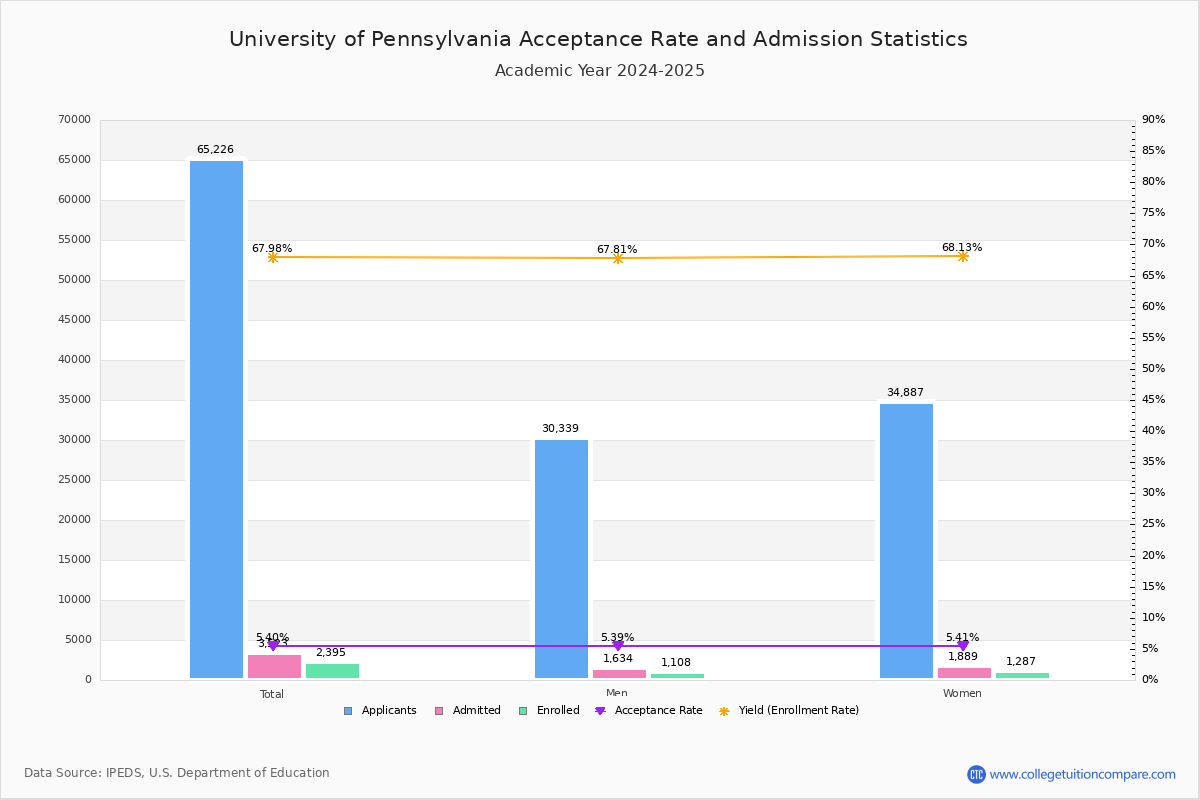
Upenn Nursing Phd Acceptance Rate Penn's four undergraduate schools include a college of arts and sciences, a business school, an engineering school, and a school of nursing. No matter which school or major students are enrolled in, Penn emphasizes that all undergraduate students receive a thorough foundation in the liberal arts. Many students take courses across all four undergraduate schools and choose from countless interdisciplinary minors and dual degrees. Conemaugh School of Nursing offers a two-year diploma program with several unique aspects.

Students are trained in a simulation laboratory accredited at the comprehensive level by the American College of Surgeons – one of less than 100 such facilities in the world. Students also receive clinical experience in a Level I resource trauma center, a Level III intensive care nursery, and an advanced primary stroke center. Graduates can take advantage of RN-to-BSN articulation agreements with several local colleges and universities, including Carlow University, Chatham University, Drexel University, and Mount Aloysius College. These graduates have achieved an impressive 90% first-time pass rate on the NCLEX-RN licensure exam over the past decade. The Medical Doctor/ Master of Public Health (MD/MPH) dual degree program is specifically designed for Perelman medical students who want to pursue medicine with a specific focus on population or community health. The program provides students with a study of clinical practice, disease prevention, research, health education, health behavior, implementation science, and policymaking.

If taken separately, completion of the two degrees takes six years, but the dual MD-MPH can be completed in five years. The curriculum for the MPH consists of 16 credits, including 10 required core courses and 6 electives. Students enroll in the MD program full time for the first three years and the complete MPH course work full time during year 4 and the fall of year 5. La Roche University offers several educational pathways through its Nursing Department. At the undergraduate level, La Roche conducts online RN-to-BSN and RN-to-MSN degree completion programs.
A school nurse certificate is also available for BSN-prepared RNs or those who are currently enrolled in La Roche's RN-to-BSN program. At the graduate level, the university recently launched an entry-level MSN program, which provides an accelerated path to RN licensure for students who already hold a baccalaureate degree in a non-nursing field. La Roche's MSN program has specialty tracks in nursing administration, nursing education, and clinical nurse leader.

Graduate students can also pursue a post-master's certificate in any of these fields. Sharon Regional Medical Center School of Nursing has a 120-year history preparing students to practice as registered nurses. Sharon Regional partners with Penn State Shenango to offer nursing courses at the School of Nursing and other academic coursework at the university's campus, located just one mile away. This partnership ensures a seamless transition for graduates into Penn State's RN-to-BSN program. The School of Nursing graduates a small cohort of approximately twenty students annually.


No comments:
Post a Comment
Note: Only a member of this blog may post a comment.